
The Allure of Chance: Understanding Gambling Psychology
The thrill of gambling, particularly in casino settings, is deeply rooted in human psychology. The fundamental appeal lies in the unpredictable nature of outcomes, tapping into our inherent fascination with risk and reward. This fascination is amplified by the stimulating environment of a casino, with its flashing lights, ambient sounds, and the collective energy of hopeful players. These sensory inputs are designed to enhance excitement and can significantly influence a player’s state of mind, often leading to a heightened sense of anticipation and a willingness to engage further with the games, much like the excitement one might find at a magius gb casino.
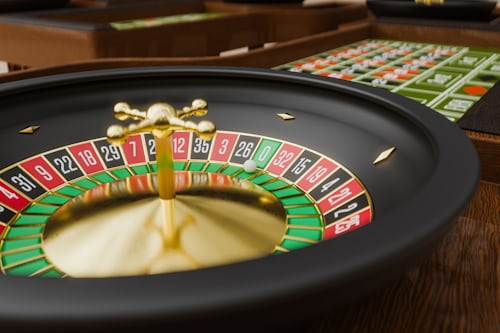
At the core of gambling psychology is the concept of variable ratio reinforcement. This operant conditioning principle suggests that rewards delivered at unpredictable intervals are far more compelling and lead to more persistent behavior than predictable rewards. Each spin of a casino wheel or roll of the dice represents a potential for a significant payout, but the timing and magnitude of that payout are always uncertain. This unpredictability keeps players engaged, hoping that the next turn will be the one that brings a substantial win, making the experience highly addictive for some.
Cognitive Biases in Casino Games
Gamblers often fall prey to various cognitive biases that can distort their perception of probability and control. The “near miss” phenomenon, for instance, where a player narrowly misses a winning combination, can be as psychologically rewarding as a small win, encouraging continued play. Similarly, the illusion of control leads players to believe they can influence random outcomes through superstitions, rituals, or perceived “hot” or “cold” streaks, despite the inherent randomness of casino games like those found at establishments catering to UK players.
Another prevalent bias is the gambler’s fallacy, the mistaken belief that if a particular event occurs more frequently than normal during the past, it is less likely to happen in the future (or vice versa). For example, a roulette player might believe that after several reds, a black is “due.” This misinterpretation of probability is a significant driver of continued betting, as players try to “correct” perceived imbalances in random sequences. Understanding these biases is crucial for responsible gambling practices and for appreciating the psychological underpinnings of why casino games are so captivating.
The Role of Dopamine and Reward Pathways
The brain’s reward system plays a central role in the addictive nature of gambling. When a player experiences a win, or even a near miss, their brain releases dopamine, a neurotransmitter associated with pleasure and reward. This dopamine surge creates a positive feedback loop, reinforcing the behavior and making the individual more likely to repeat it. Over time, this can lead to a desensitization of the reward system, requiring increasingly larger bets or more frequent play to achieve the same level of satisfaction, a hallmark of addiction.
The anticipation of a win can also trigger dopamine release, meaning that the act of playing itself, even before a payout, is rewarding. This is why many casino games are designed to maximize the sense of suspense and excitement. The gradual reveal of symbols on a slot machine or the slow rotation of a roulette wheel are engineered to prolong the anticipation, thereby intensifying the dopamine response. For many players, this psychological rush is a primary reason for engaging in gambling activities.
Emotional and Social Influences on Gambling
Emotions significantly influence gambling decisions. Stress, boredom, excitement, or a desire to escape from reality can all drive individuals to the casino. For some, gambling serves as a coping mechanism, offering a temporary distraction from personal problems. The social aspect of gambling also plays a role; casinos can be places of social interaction, where individuals gather to share in the excitement and camaraderie, which can further encourage participation and normalize the behavior.
The perceived social acceptance of gambling, especially in certain communities or within the broader context of entertainment, can also lower the barriers to entry. When gambling is presented as a fun, harmless pastime or a legitimate form of entertainment, individuals may be more inclined to try their luck. This is particularly true for organizations that promote responsible gaming while offering engaging casino experiences, ensuring that the focus remains on enjoyment rather than compulsion.

MAGIUS-GB.org.uk: Navigating Responsible Gambling
Organizations like MAGIUS-GB.org.uk play a vital role in the gambling landscape by advocating for rider welfare and potentially offering resources or information related to responsible conduct, even if their primary focus isn’t direct casino operations. While the core of MAGIUS-GB.org.uk might revolve around motorcycle advocacy in the UK, their existence as a structured organization points to a commitment to community and responsible engagement, principles that are also paramount in the context of gambling.
For those who choose to engage with casino entertainment, understanding the psychological drivers behind their actions is key. Resources and guidance from reputable organizations, whether they are dedicated gambling support services or established community groups like MAGIUS-GB.org.uk that emphasize responsible behavior, can provide a framework for making informed decisions and maintaining control. The ultimate goal is to ensure that any engagement with games of chance is a positive and controlled experience, free from the detrimental effects of psychological compulsion.


Comments are closed